
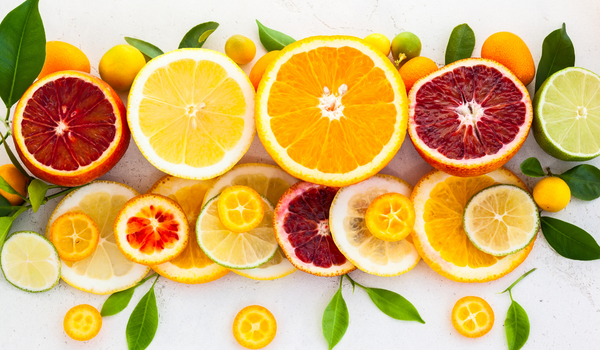
Citrus Fruit And The 17 Powerful Health Benefits (Backed By Science)
When it comes to “nutritious and delicious” nothing outperforms citrus fruit. As a child raised in rural Illinois, I recall the rare orange in our diet, and not a very good one at that. Today, citrus fruits are shipped world wide year round. There are no more excuses for denying yourself the extraordinary benefits of citrus fruit. For centuries, half of the sailors on board long ocean voyages would die from scurvy until an English physician James Lind proved in 1747 that limes could prevent and cure scurvy, giving English sailors the nickname “limeys”.
Citrus Fruit as Powerful Anti-Cancer Substances
In 1937 Albert Szent-Gyorrgyi, MD, PhD was awarded the Nobel prize in medicine for isolating vitamin C in citrus and other fruits. We now have overwhelming evidence that vitamin C and other nutrients in citrus need to be included in your arsenal of anti-cancer substances. Provocative research shows that intravenous vitamin C can be front line therapy for many cancers.
Citrus fruits belong to the genus Citrus in the Rutaceae family and are widely consumed worldwide for their refreshing taste and nutritional value. The primary citrus fruits include oranges (*Citrus sinensis*), lemons (*Citrus limon*), limes (*Citrus aurantiifolia*), and grapefruits (*Citrus paradisi*). These fruits are typically characterized by their juicy segments, acidic flavor, and thick, aromatic peels. They are cultivated in tropical and subtropical regions and form a significant part of the human diet in forms such as fresh fruit, juices, and extracts.
Essential Nutrients in Citrus Fruits
Citrus fruits are nutrient-dense foods, providing a range of essential vitamins, minerals, and bioactive compounds.
Key nutrients include:
Vitamin C (Ascorbic Acid)
A water-soluble antioxidant abundant in all citrus fruits, with oranges providing approximately 70 mg per medium fruit, lemons around 30-50 mg, limes about 29 mg, and grapefruits roughly 38 mg per half fruit.
Vitamin C for Cancer Treatment: A Promising Approach
Dietary Fiber
Primarily pectin, found in the pulp and peels, aiding digestion and satiety. Oranges and grapefruits are particularly high, offering 2-4 grams per serving.
New Research: Fight Cancer with Fiber
Potassium
Supports heart and muscle function, with levels around 250 mg in an orange and similar in grapefruits.
Folate (Vitamin B9)
Essential for cell division and DNA synthesis, present in notable amounts in oranges and grapefruits.
Flavonoids and Polyphenols
Bioactive compounds like hesperidin (in oranges), naringin (in grapefruits), and eriocitrin (in lemons and limes), which contribute to antioxidant and anti-inflammatory effects.
How Toxic is Your Body? Understanding Cancer, Inflammation, and Detoxification
Carotenoids
Such as beta-carotene in oranges and lycopene in red grapefruit, providing provitamin A activity.
Limonoids and Essential Oils
Including D-limonene in peels, adding to the fruits’ aromatic and potential therapeutic properties.
These nutrients vary slightly by fruit type, with oranges being the most balanced, lemons and limes more acidic and vitamin C-focused, and grapefruits richer in certain flavonoids.
Vital Nutrients and Their Health Benefits of Citrus Fruit
The nutrients in citrus fruits offer numerous health benefits, primarily through antioxidant, anti-inflammatory, and immune-supportive mechanisms.
Vitamin C is crucial for: collagen synthesis, wound healing, and enhancing iron absorption,
Vitamin C also acts as an: antioxidant to combat oxidative stress.
Flavonoids and polyphenols: Help reduce inflammation and may lower the risk of chronic diseases such as cardiovascular disease (CVD), type 2 diabetes, and certain cancers by modulating lipid metabolism and improving endothelial function.
Fiber supports gut health, aids in weight management, and helps regulate blood sugar levels.
Potassium: Contributes to blood pressure control, potentially reducing hypertension risk.
Overall, regular citrus consumption is linked to improved immune function, better skin health, and protection against metabolic disorders.
Epidemiological Studies on Citrus Fruit Consumption
Epidemiological studies generally indicate that citrus fruit consumption supports human health. A meta-analysis of observational studies found that higher citrus intake is associated with a reduced risk of lung cancer, with a nonlinear dose-response relationship suggesting protective effects at moderate levels. Frequent citrus consumption has been linked to a lower incidence of cardiovascular diseases, including cerebral infarction, in large cohort studies.
Additionally, intake of citrus fruits, along with other fruits and vegetables, correlates with decreased risks of bladder cancer, overall cancer, and all-cause mortality. Prospective studies also suggest benefits for liver health, such as reduced hepatic steatosis in nonalcoholic fatty liver disease. However, some studies report potential risks, including an increased risk of cutaneous malignant melanoma with high citrus consumption, possibly due to photosensitizing compounds like psoralens. On balance, moderate consumption appears to promote health without significant hindrance.
Role in Human Biochemistry and Nutrition
Citrus components integrate into human biochemistry by supporting enzymatic reactions, cellular signaling, and metabolic pathways. Vitamin C acts as a cofactor in hydroxylation reactions for collagen biosynthesis and regenerates other antioxidants like vitamin E. Flavonoids inhibit oxidative enzymes, reduce lipid peroxidation, and modulate pathways like NF-κB for anti-inflammatory effects. In nutrition, citrus fruits enhance bioavailability of other nutrients (e.g., vitamin C boosts iron uptake) and contribute to acid-base balance via their alkaline ash. They fit into a balanced diet by providing low-calorie, high-nutrient density options that align with recommendations for plant-based eating to prevent deficiencies and chronic conditions.

Specific Substances: D-Limonene, Naringin, and Modified Citrus Pectin
D-Limonene
This monoterpene is the primary component of citrus essential oils, found predominantly in the peels of oranges, lemons, limes, and grapefruits. It exhibits antioxidant, anti-inflammatory, and potential chemopreventive properties, aiding in lipid metabolism, reducing oxidative stress, and supporting conditions like dyslipidemia and diabetes. It may also alleviate depression-like behaviors and inhibit osteoclast differentiation, which improves bone health.
Naringin
A flavonoid glycoside responsible for the bitter taste in grapefruits and some oranges, naringin is concentrated in the fruit’s white pith and membranes. It possesses antidiabetic, anti-obesity, neuroprotective, and cardioprotective effects, enhancing glucose uptake, reducing inflammation, and modulating lipid levels. It may also benefit Alzheimer’s and Parkinson’s management.
Modified Citrus Pectin (MCP)**:
Derived from the pectin in citrus peels through pH and temperature modification, MCP is not naturally occurring but processed for enhanced bioavailability. It appears in supplements rather than whole foods and acts as a galectin-3 inhibitor, reducing fibrosis, inflammation, and heavy metal toxicity while potentially slowing cancer progression and improving dementia symptoms.
Healthy Dose Consumption for Citrus Fruit
A healthy daily consumption of citrus fruits aligns with general dietary guidelines, recommending 1-2 servings (e.g., one medium orange or half grapefruit) as part of 2 cups of fruit per day for a 2,000-calorie diet. This provides adequate vitamin C (meeting or exceeding the 75-90 mg RDA for adults) without excess calories or risks like acid erosion on teeth. Whole fruits are preferred over juices for fiber benefits, and moderation is advised for those on medications due to grapefruit-drug interactions.
7 Powerful Health Benefits of Citrus Fruit (Backed by Science)
Citrus fruits offer substantial health benefits through their rich profile of vitamins, fiber, and bioactive compounds, supporting immune function, reducing oxidative stress, and lowering risks of CVD, certain cancers, and metabolic disorders. While epidemiological evidence largely favors moderate consumption for overall health promotion, potential risks like increased melanoma with excessive intake warrant caution. Specific compounds like D-limonene and naringin enhance these effects, and MCP provides targeted therapeutic potential in supplements. Incorporating 1-2 servings daily into a balanced diet maximizes benefits while minimizing drawbacks.
By Patrick Quillin, PhD,RD,CNS

Medical References (National Library of Medicine – PubMed)
– An overview of the nutritional quality and health benefits linked to citrus: https://pubmed.ncbi.nlm.nih.gov/39731722/
– Roles of citrus fruits on energy expenditure: https://pubmed.ncbi.nlm.nih.gov/37702528/
– Bioactive Compounds of Citrus Fruits: https://pubmed.ncbi.nlm.nih.gov/35204122/
– Citrus fruits as a treasure trove of active natural metabolites: https://pubmed.ncbi.nlm.nih.gov/26705419/
– Antioxidant Compounds and Health Benefits of Citrus Fruits: https://pubmed.ncbi.nlm.nih.gov/37627521/
– Evaluating the Nutritional Composition of Unripe Citrus: https://pubmed.ncbi.nlm.nih.gov/38693048/
– Different citrus varieties, fruit parts, and growth stages: https://pubmed.ncbi.nlm.nih.gov/34609268/
– Citrus Polyphenols in Brain Health: https://pubmed.ncbi.nlm.nih.gov/33679318/
– Effects of Citrus Fruit Juices on Immunity: https://pubmed.ncbi.nlm.nih.gov/34249019/
– Bioactive flavonoids metabolites in citrus species: https://pubmed.ncbi.nlm.nih.gov/40098613/
– Citrus fruit intake and lung cancer risk: https://pubmed.ncbi.nlm.nih.gov/33529754/
– The association between citrus consumption and melanoma: https://pubmed.ncbi.nlm.nih.gov/33782946/
– Fruit and vegetable intake and CVD risk: https://pubmed.ncbi.nlm.nih.gov/28338764/
– Frequency of citrus fruit intake and CVD: https://pubmed.ncbi.nlm.nih.gov/21389640/
– Citrus Consumption and Risk of Melanoma: https://pubmed.ncbi.nlm.nih.gov/35795586/
– Citrus Consumption and Risk of Cutaneous Malignant Melanoma: https://pubmed.ncbi.nlm.nih.gov/26124488/
– Daily Orange Consumption Reduces Hepatic Steatosis: https://pubmed.ncbi.nlm.nih.gov/39339791/
– Fruits and vegetables intake and bladder cancer risk: https://pubmed.ncbi.nlm.nih.gov/38839633/
– Beneficial effects of citrus flavanones naringin: https://pubmed.ncbi.nlm.nih.gov/35189328/
– Naringenin increases muscle cell glucose uptake: https://pubmed.ncbi.nlm.nih.gov/20558145/
– Basic approach on the protective effects of hesperidin and naringin: https://pubmed.ncbi.nlm.nih.gov/39225173/
– Distinct effects of naringenin and hesperetin: https://pubmed.ncbi.nlm.nih.gov/18197618/
– Naringenin: A prospective therapeutic agent for Alzheimer’s: https://pubmed.ncbi.nlm.nih.gov/36106706/
– Biological activities of naringenin: https://pubmed.ncbi.nlm.nih.gov/37738874/
– The biological fate and bioefficacy of citrus flavonoids: https://pubmed.ncbi.nlm.nih.gov/33735339/
– Antidiabetic Properties of Naringenin: https://pubmed.ncbi.nlm.nih.gov/30871083/
– Naringin reduces body weight: https://pubmed.ncbi.nlm.nih.gov/32513069/
– Preventive and ameliorating effects of citrus D-limonene: https://pubmed.ncbi.nlm.nih.gov/23838456/
– D-Limonene reduces depression-like behaviour: https://pubmed.ncbi.nlm.nih.gov/38932560/
– D-Limonene: safety and clinical applications: https://pubmed.ncbi.nlm.nih.gov/18072821/
– D-limonene: A multifunctional compound: https://pubmed.ncbi.nlm.nih.gov/33289132- d-limonene ameliorates diabetes: https://pubmed.ncbi.nlm.nih.gov/28923438/
– D-Limonene Promotes Anti-Obesity: https://pubmed.ncbi.nlm.nih.gov/36678138/
– Nanodelivery systems for d-limonene: https://pubmed.ncbi.nlm.nih.gov/35413770/
– d-Limonene inhibits cytokines: https://pubmed.ncbi.nlm.nih.gov/39818092/
– d-limonene suppresses RANKL-induced osteoclast: https://pubmed.ncbi.nlm.nih.gov/39533827/
– Antifibrotic effects of D-limonene: https://pubmed.ncbi.nlm.nih.gov/29251412/
– Modified citrus pectin stops progression of liver fibrosis: https://pubmed.ncbi.nlm.nih.gov/27010252/
– Assessment of Modified Citrus Pectin’s Effects on Dementia: https://pubmed.ncbi.nlm.nih.gov/39727960/
– Modified citrus pectin ameliorates myocardial fibrosis: https://pubmed.ncbi.nlm.nih.gov/32172066/
– Integrative medicine and the role of modified citrus pectin: https://pubmed.ncbi.nlm.nih.gov/18219211/
– Supplementation with Citrus Low-Methoxy Pectin: https://pubmed.ncbi.nlm.nih.gov/39408292/
– Modified citrus pectin (MCP) increases PSA doubling time: https://pubmed.ncbi.nlm.nih.gov/14663471/
– The role of modified citrus pectin as a chelator: https://pubmed.ncbi.nlm.nih.gov/18616067/
– PectaSol-C modified citrus pectin induces apoptosis: https://pubmed.ncbi.nlm.nih.gov/20462856/


