
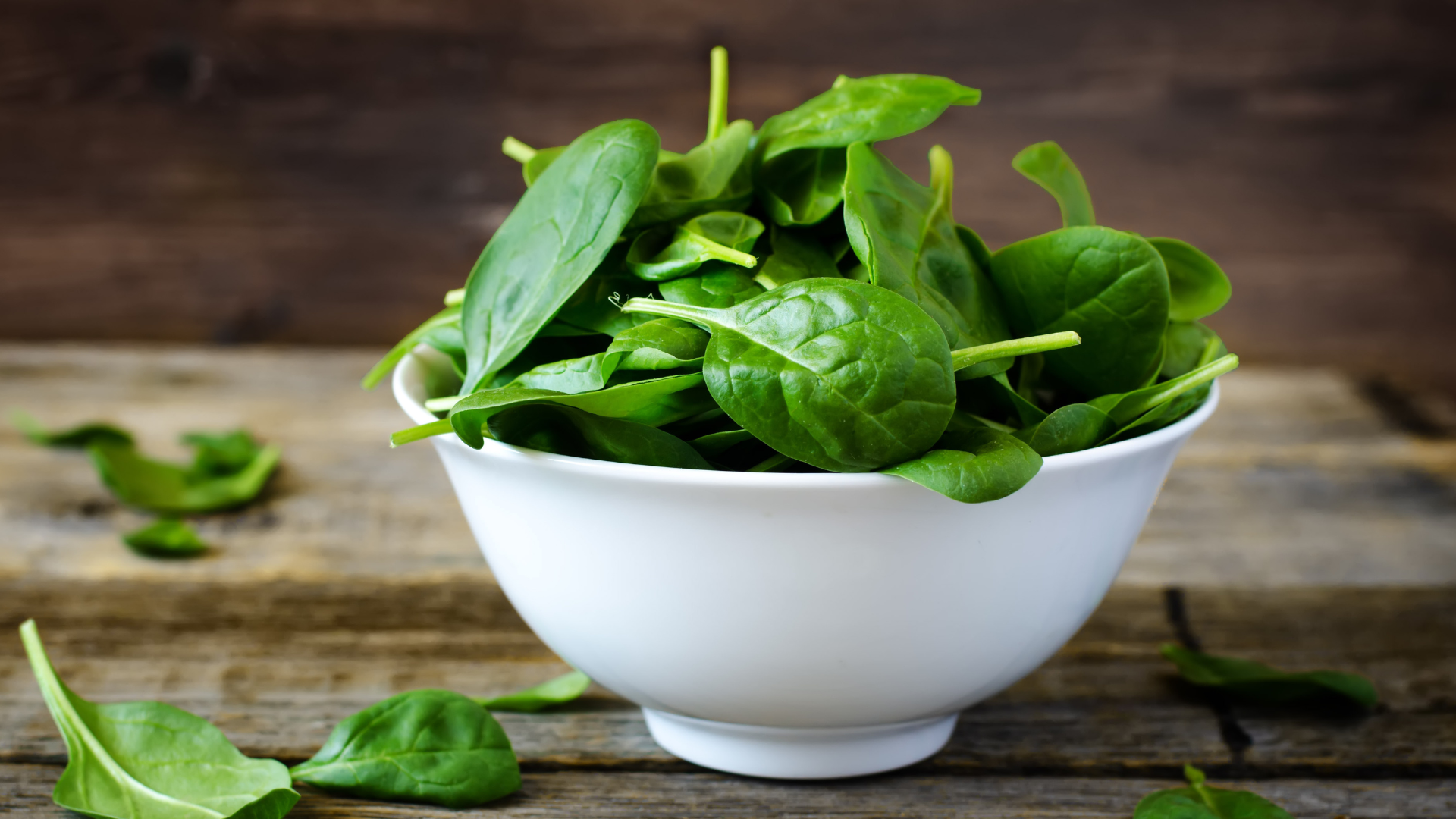
The Science Behind Spinach’s Anti-Cancer Benefits
The War on Cancer launched by Richard Nixon in 1971 rages on. Over $200 billion spent in research at the National Cancer Institute. Over $5 trillion spent in therapeutics since that time. Still no cure for any late stage major cancer. Time to rethink the strategy. “Must we kill to cure?”
In fact, abundant data supports the notion “a well-nourished cancer patient can better manage the disease and its therapies.” Nutrition matters. And spinach is one vegetable that needs to be on your grocery list.
The Science Behind Spinach’s Anti-Cancer Potential
Spinach isn’t just a salad filler. It’s packed with bioactive compounds that research links to cancer-fighting effects:
- Carotenoids like lutein and zeaxanthin: These powerful antioxidants neutralize free radicals, support cell-to-cell communication to regulate growth, and may enhance immune cell activity against tumors. A 2025 University of Chicago study found zeaxanthin (abundant in spinach) strengthens CD8+ T cells’ ability to kill cancer cells. Add these antioxidants to your diet
Add these antioxidants to your diet - Folate (Vitamin B9): Essential for healthy DNA synthesis and repair, helping prevent mutations that lead to cancer. It supports proper cell division while keeping cancer-promoting genes in check. Studies show that the common low intake of folate in the American diet can lead to “fragile DNA” or genomic instability, which leads to cancer and aging.
- Fiber and anti-inflammatory compounds: These promote gut health, reduce inflammation, and may lower risks for colorectal and other cancers. Animal studies, including one from Texas A&M, showed spinach consumption significantly reduced tumor formation in models of colon cancer by improving microbiome diversity and gene expression.
New Research: Fight Cancer with Fiber - Additional nutrients: Vitamins A, C, K, plus flavonoids and beta-carotene contribute to antioxidant defense, immune support, and potential apoptosis (programmed cancer cell death).

Population studies and lab research consistently associate higher intake of leafy greens like spinach with reduced cancer risk, particularly for breast, colon, and other sites. Spinach’s nutrient profile makes it a smart addition to a comprehensive plan.
My seminar book on the subject, Beating Cancer with Nutrition, emphasizes how targeted nutrition can improve outcomes, enhance tolerance to treatments like chemo and radiation, bolster immunity, and address malnutrition common in patients.
How to Use Spinach Effectively (Most People Do It Wrong)
- Eat it often: Aim for several servings per week—raw in smoothies or salads, lightly steamed or sautéed to maximize nutrient absorption without overcooking.
- Pair strategically: Combine with healthy fats (like olive oil or avocado) to boost carotenoid uptake. Add to soups, omelets, or stir-fries.
Why healthy fats are essential for nutrient uptake - Choose quality: Opt for organic when possible to minimize pesticide exposure, as spinach often ranks high on the “Dirty Dozen.”
- Address concerns: High oxalates? If you have kidney stone history, consult a professional and rotate with other greens like kale or Swiss chard. Steaming reduces oxalates considerably.
Simple Cancer-Supportive Spinach Ideas:
- Green smoothie with spinach, berries, and a touch of ginger.
- Wilted spinach salad with olive oil, lemon, and walnuts.
- Spinach-packed veggie stir-fry or omelet.

Why This Matters Now
In a world of expensive therapies, something as accessible as spinach empowers patients. Small daily choices compound into meaningful support for the body’s healing systems.
What’s your favorite way to enjoy spinach? Let us know!


