
What Is Nasal Irrigation — And Does It Actually Work?
Nasal irrigation sounds intimidating to most people the first time they hear about it. Putting liquid into your nose? On purpose? But this simple, ancient technique has become one of the most well-supported non-drug treatments in modern medicine — recommended as a first-line option for sinusitis, allergic rhinitis, and chronic congestion by major medical organizations worldwide.
Here’s what nasal irrigation actually is, how it works, what the science says, and how to do it correctly.
What Is Nasal Irrigation?
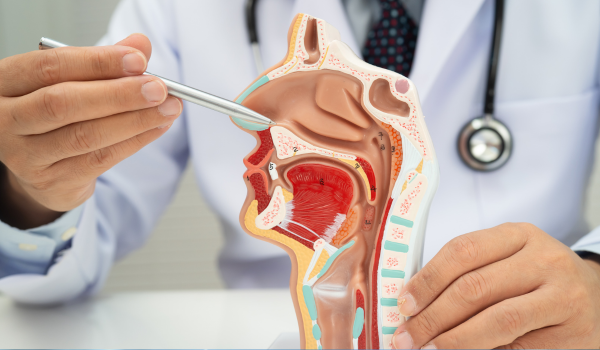
Nasal irrigation — also called nasal rinsing or nasal lavage — is the practice of flushing the nasal passages with a saline or medicated solution to remove mucus, allergens, pathogens, and other debris. The solution enters one nostril and flows out the other (or drains down and out), carrying away whatever has been trapping congestion and triggering inflammation.
The technique has been practiced in Ayurvedic medicine for thousands of years using a device called a neti pot. Modern versions include squeeze bottles, pressurized rinse systems, and easy-to-use spray bottles — each applying the same basic principle: flood and flush the nasal cavity with a gentle stream of solution.
7 Natural Decongestant Alternatives That Work
How Does It Work?
Nasal irrigation works through several simultaneous mechanisms:
- Physical removal of allergens and pathogens: The solution washes away pollen, mold spores, dust, bacteria, and viruses before they can trigger inflammation or infection.
- Thinning of mucus: The moisture reduces the viscosity of thick, trapped mucus, making it easier to drain naturally.
- Reduction of inflammation: Removing inflammatory irritants directly from the nasal lining reduces swelling and improves airflow.
- Improved ciliary function: The tiny hair-like projections (cilia) that sweep the sinuses clean function more effectively in a well-moisturized environment. Regular irrigation has been shown to increase ciliary beat frequency.
- Natural antimicrobial effect: Saline solution has inherently antiseptic properties that inhibit bacterial growth in the nasal passages.
- Clearing of blocked sinus openings: The drainage holes that connect the sinus cavities to the nasal passage can become blocked by encrusted mucus. Irrigation dissolves these blockages, allowing the sinuses to drain properly.

What Does the Research Say?
The clinical evidence for nasal irrigation is compelling. A comprehensive review published in the journal Rhinology found that nasal irrigation improves symptoms, reduces recurrence of sinus infections, enhances the effectiveness of other medications, and decreases the need for antibiotics and decongestants. It has been studied in both adults and children across a wide range of conditions — sinusitis, allergic rhinitis, the common cold, and post-surgical sinus care — with consistently positive results and minimal side effects.
Leading medical institutions, including the FDA, now recommend using distilled or sterile water for sinus rinsing. When used properly, nasal irrigation is considered extremely safe.
Who Benefits from Nasal Irrigation?
Nasal irrigation is appropriate for virtually anyone with recurring nasal or sinus symptoms, including:
- People with seasonal or year-round allergies
- Those with chronic sinusitis or recurrent sinus infections
- Cold and flu sufferers seeking symptom relief
- People exposed to environmental irritants (smoke, dust, pollution, mold)
- Pregnant women looking for safe, drug-free options
- Children with congestion or recurring colds
- Anyone trying to reduce their use of nasal decongestant sprays
Plain Saline vs. Homeopathic Nasal Solutions
Basic saline (saltwater) rinses are widely available and effective at physically clearing the nasal passages. However, they contain only one active ingredient: salt. They have no therapeutic ingredients beyond moisturizing and physically flushing the nasal cavity.
Homeopathic nasal solutions take the concept further by including natural active ingredients that support the body’s healing response — reducing inflammation, supporting immune function, and addressing the microbial environment of the sinuses — rather than simply flushing them.
Sinus Cleanser is a patented homeopathic nasal solution that goes beyond plain saline. Its formula includes Baptisia Tinctoria (wild indigo), colloidal silver, grapefruit seed extract, and oregano — each chosen for their role in supporting sinus health — delivered in a convenient easy-to-use squirt bottle. It addresses underlying sinus causes rather than simply suppressing symptoms, and is safe for daily use without any risk of rebound congestion or dependency.
How to Do Nasal Irrigation Correctly
- Use sterile, distilled, or previously boiled water. Tap water is not recommended.
- Stand over a sink and tilt your head slightly forward.
- Gently insert the nozzle into one nostril and squeeze or pour the solution.
- Breathe through your mouth during the rinse.
- Allow the solution to flow through and drain naturally.
- Repeat on the other side.
- Blow your nose gently afterward to clear loosened mucus.
- Clean your device thoroughly after each use and replace regularly.
Best practice: Use nasal irrigation in the morning to clear overnight congestion, and again in the evening after exposure to allergens or environmental irritants. For chronic conditions, daily use produces the best results.
Is Nasal Irrigation Safe Long-Term?
Yes. Unlike decongestant sprays, nasal irrigation carries no risk of rebound congestion or dependency. It can be used as often as needed, including daily. The only important safety consideration is water quality — always use sterile or distilled water to eliminate any risk of waterborne organisms.
For more on what causes sinus congestion and infection in the first place, see: Causes of Sinus Infection (Sinusitis).


