
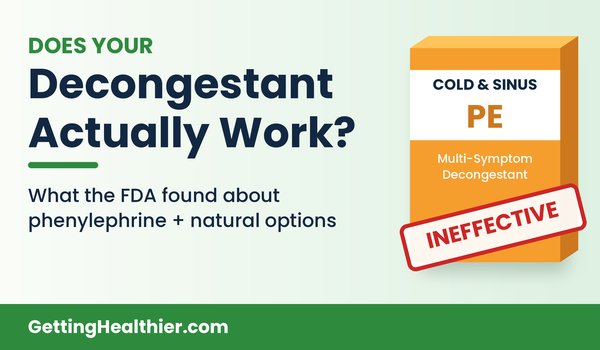
Your Decongestant May Not Work
You feel the pressure building behind your eyes. Your nose is stuffed shut. So you head to the pharmacy and grab a box of cold medicine labeled “PE” or “Sinus.” Then you take it and wait. And wait.
If it never seemed to help, you weren’t imagining it. The FDA has concluded that oral phenylephrine, the decongestant in most of those boxes, doesn’t work for nasal congestion. For millions of people who have relied on it for years, that’s surprising news.
Watch video at the end of this article
Your Decongestant May Not Be Doing Anything
The good news is that you have other choices. Many natural and homeopathic options can help you breathe easier, and some have been used for generations.

What the FDA Found
In September 2023, an FDA advisory panel voted unanimously that oral phenylephrine is not effective as a nasal decongestant. Then in November 2024, the FDA formally proposed removing it from the list of ingredients allowed in over-the-counter cold and allergy pills.
Why doesn’t it work? When you swallow phenylephrine, your gut and liver break down most of it before it reaches your bloodstream. Very little gets to your nasal passages. Researchers had raised this concern for years, and newer studies confirmed it: the pill worked no better than a placebo.
What are the main causes of sinus infection?
A few points to keep in mind:
- The finding applies to pills and liquids you swallow. Phenylephrine nasal sprays were not part of the proposal.
- The products may still be on shelves. Removing an ingredient takes time, so you may keep seeing “PE” products for a while.
- It’s mainly a question of effectiveness. The FDA’s concern is that phenylephrine doesn’t work, not that it’s dangerous. But you may be paying for relief you aren’t getting.
How to Check Your Medicine Cabinet
Take a minute to look at what you already have at home.
- Find the “Drug Facts” box on the back or side of the package.
- Look under “Active ingredients” for “phenylephrine HCl.”
- Watch for “PE” in the product name. It usually means the decongestant is phenylephrine.
- Check combination products. Multi-symptom cold, flu and sinus formulas often include phenylephrine with a pain reliever or antihistamine.
What about the decongestant kept behind the pharmacy counter? Pseudoephedrine does relieve congestion, but it can raise blood pressure and heart rate and can keep you awake. If you’re over 50, or you have high blood pressure, heart concerns or take other medications, talk with your doctor or pharmacist before you use it.
Why does my nose run all the time?
Natural and Homeopathic Options for Sinus Relief
You have many natural and homeopathic options. Many of them are gentle, inexpensive and easy to use at home.
Simple home approaches
- Saline rinses and sprays. Salt water thins mucus and flushes out irritants. If you use a neti pot or rinse bottle, use distilled or previously boiled water, never straight tap water.
- Steam. Breathe in steam from a warm shower or a bowl of hot water with a towel over your head. A drop of eucalyptus or peppermint oil adds a cooling feeling.
- A humidifier. Moist air helps, especially at night and during dry winter months. Clean it often.
- Warm compresses. A warm, damp cloth over your nose and cheeks can ease pressure and pain.
- Stay hydrated. Water, herbal teas and warm broths keep mucus thin and moving.
- Raise your head. An extra pillow at night helps your sinuses drain.
- A little spice. Horseradish, ginger, cayenne and wasabi can open up your nasal passages quickly.
Nutrients and botanicals
- Xylitol nasal spray. This natural sweetener helps moisturize the nose and may make it harder for bacteria to stick.
- Bromelain. This pineapple enzyme has been studied for easing sinus swelling.
- Quercetin. This plant compound, found in onions and apples, is popular for seasonal allergies.
- N-acetylcysteine (NAC). It helps break up thick mucus.
- Stinging nettle. It’s a traditional herb for seasonal allergies.
- Vitamin C and zinc. These support normal immune function during cold season.
Homeopathic remedies
Homeopathy has a long history in sinus care, and many people find it helpful. Practitioners match the remedy to your particular symptoms. Commonly used remedies include:
- Baptisia tinctoria (wild indigo). Homeopaths have long used this remedy for colds, sore throats and upper respiratory complaints. It’s listed in the Homeopathic Pharmacopoeia of the United States (HPUS).
- Grapefruit seed extract. This extract from grapefruit seeds and pulp is popular in natural nasal sprays and has been studied in the lab for its antimicrobial properties.
- Oregano leaf juice. Oregano contains carvacrol and thymol. These plant compounds have shown antimicrobial activity in laboratory studies.
- Colloidal silver. Silver has a long history of use against germs, and some people use colloidal silver in nasal rinses. The FDA hasn’t approved it as safe and effective for any condition, and swallowing it over time can permanently turn the skin blue-gray (argyria).
- Saline (sodium chloride and purified water). A salt-water base gently rinses the nasal passages and helps thin mucus.
Homeopathic remedies are generally considered gentle and low-risk.
Support Your Body’s Defenses
Most sinus congestion starts with a cold or another respiratory virus. This season, respiratory viruses are circulating widely, so it makes sense to support your immune system before you get sick, not just after.
The basics matter most: 7 to 8 hours of sleep, plenty of colorful vegetables and fruits, regular movement, good hydration and less sugar. A well-designed nutritional supplement can help fill the gaps.

When to See Your Doctor
Most congestion clears up within 7 to 10 days. Call your doctor if you have:
- Symptoms lasting more than 10 days, or symptoms that improve and then get worse
- A fever above 102°F
- Severe facial pain, swelling or redness around your eyes
- Vision changes or a stiff neck
- Sinus infections that keep coming back
The Bottom Line
If your “PE” cold medicine never seemed to work, now you know why. You don’t have to settle for products that don’t deliver. Saline, steam, smart nutrition and homeopathic remedies give you plenty of ways to breathe easier this season.
This article is for educational purposes only and is not medical advice. Talk with your healthcare provider before starting any new supplement or remedy, especially if you take medications or have a health condition.


