
Your Best Cancer Outcome: Surprising Healthy Living Changes
A cancer diagnosis changes everything — including how you think about your health. After 47 years as a clinical nutritionist and a decade working directly with cancer patients at Cancer Treatment Centers of America, I’ve seen one truth over and over: the patients who actively participate in their own healing tend to do far better than those who don’t. Your medical team is essential, but you are the most important member of that team.
Here are practical, evidence-informed strategies — including nine that may genuinely surprise you — to help you feel stronger, support your treatment, and reclaim a sense of control.
1. Accept That You Have More Power Than You Think
Too many cancer patients fall into a passive role: “I’ll just follow my doctor’s orders and hope for the best.” That’s not enough. Research consistently shows that lifestyle factors — diet, stress, sleep, toxin exposure — directly influence cancer progression and treatment outcomes. You didn’t choose your diagnosis, but you can choose how aggressively you support your own recovery.
This isn’t about blame. It’s about opportunity.
2. Eat Real Food — Especially Now
Cancer patients are often malnourished, not because they aren’t eating, but because they’re eating the wrong things or absorbing nutrients poorly. Real food — plant-based, deeply pigmented, minimally processed — is your foundation.
Focus on fruits, vegetables, whole grains, legumes, nuts, seeds, seaweed, and healing spices. The deeper the color, the better: purple cabbage over iceberg, sweet potatoes over white, red grapes over green. Those pigments — anthocyanins, carotenoids, chlorophyll — are nature’s most potent antioxidants and anti-inflammatory compounds. Cook at lower temperatures; steaming at 220°F protects far more nutrients than frying or grilling at 450°F.
3. 🔴 Surprising Tip #1: Sugar Is Cancer’s Favorite Food
Cancer cells consume glucose at 10–50 times the rate of normal cells — a phenomenon known as the Warburg Effect. Dramatically reducing sugar and refined carbohydrates starves cancer cells while sparing healthy ones. This isn’t fringe science; it’s basic tumor biology. Swap sugary drinks, white bread, and desserts for low-glycemic whole foods. Your oncologist may not mention this. It matters enormously.
4. 🔴 Surprising Tip #2: Your Gut Is Your Immune System
Roughly 70% of your immune system lives in your gut. Cancer treatment — especially antibiotics, chemotherapy, and radiation — can devastate the gut microbiome, leaving your immune defenses crippled. Rebuilding it with fermented foods (sauerkraut, kimchi, plain yogurt, kefir), prebiotic fiber (garlic, onions, leeks, oats), and quality probiotic supplements isn’t optional for cancer patients. It’s a clinical priority.
5. 🔴 Surprising Tip #3: Fasting Before Chemo May Protect You
A growing body of clinical research suggests that short-term fasting (24–72 hours) before chemotherapy may reduce side effects and actually make treatment more effective. Normal cells enter a protective mode during fasting; cancer cells, which can’t regulate their own growth, do not. Discuss this carefully with your oncologist before trying it — but don’t assume they’ll bring it up. The evidence is real.
Fasting as Cancer Treatment
https://pmc.ncbi.nlm.nih.gov/articles/PMC12035504/
6. Move Your Body — Even When Treatment Drains You
Exercise is not optional during cancer treatment. Studies show that regular moderate movement reduces fatigue (counterintuitive but true), supports immune function, reduces inflammation, and improves treatment tolerance. Thirty minutes of walking, gentle yoga, swimming, or even slow dancing counts. The goal is consistency, not intensity. Movement signals to every cell in your body that life is worth fighting for.
7. 🔴 Surprising Tip #4: Your Thoughts Directly Affect Your Tumors
This isn’t motivational fluff. Psychoneuroimmunology — the science of how mental states affect immune function — has produced hundreds of studies showing that chronic stress, depression, and hopelessness measurably suppress natural killer (NK) cell activity, the very immune cells that target and destroy cancer cells. Meditation, prayer, journaling, laughter, and loving relationships are clinical interventions for cancer patients, not luxuries. Every cell in your body is listening to your thoughts.
Relationship between Through Style …. in Cancer Patients https://pmc.ncbi.nlm.nih.gov/articles/PMC11203421/
8. 🔴 Surprising Tip #5: Most Cancer Patients Are Severely Vitamin D Deficient
Vitamin D is not just a vitamin — it’s a hormone that regulates over 200 genes, many of which directly influence cancer cell growth, immune surveillance, and inflammation. Studies show that cancer patients with optimal vitamin D levels (above 60 ng/mL) have significantly better survival outcomes across multiple cancer types. The optimal level for cancer patients is likely far higher than what most doctors check for. Ask your oncologist to test your 25(OH)D levels.
Vitamin D on Cancer: https://www.sciencedirect.com/science/article/pii/S0960076023000638
9. Detoxify Your Home and Body
Cancer patients process toxins less efficiently, especially during treatment. Reduce your body burden: choose organic produce for the “Dirty Dozen” fruits and vegetables, filter your drinking water, switch to natural personal care products (your skin absorbs what you put on it), and eliminate synthetic fragrances. Open windows. Declutter. A clean environment reduces the inflammatory load your already-taxed immune system must manage.
10. 🔴 Surprising Tip #6: Intermittent Fasting Resets Your Immune System
Beyond pre-chemo fasting, regular intermittent fasting — such as a 16-hour eating window or one low-calorie day per week — triggers autophagy, the body’s cellular self-cleaning process. Autophagy removes damaged cells and cellular debris, including pre-cancerous cells. It also reduces insulin and IGF-1 levels, two key growth factors that fuel cancer proliferation. This is one of the most powerful and most overlooked cancer-fighting strategies available to you — and it costs nothing.
11. 🔴 Surprising Tip #7: Mushrooms Are Medicine
Medicinal mushrooms — shiitake, maitake, reishi, turkey tail — contain beta-glucans that are among the most well-studied natural immune modulators in oncology. Turkey tail, in particular, received FDA approval for a clinical trial in cancer patients. Add these to your cooking regularly, or use a quality supplement. They are not a replacement for treatment; they are a powerful complement to it.
12. Help Someone Else
Altruism is genuinely therapeutic. Studies on cancer patients show that those who volunteer, mentor others, or give of their time demonstrate measurably better immune function and psychological well-being. The act of focusing outward — even briefly — shifts your nervous system out of the chronic stress response that suppresses immunity. Call someone who is suffering. Write a letter. Show up for another person. You will heal a little in the process.
13. 🔴 Surprising Tip #8: Sunshine Is Not Your Enemy
Moderate, unprotected sun exposure (15–30 minutes daily) stimulates vitamin D synthesis, regulates circadian rhythms, and reduces cortisol levels — all of which matter for cancer patients. The obsessive avoidance of all sun exposure may actually be contributing to the epidemic of vitamin D deficiency in cancer populations. Balance, not avoidance. Morning sun on your face and arms, before peak UV hours, is genuinely therapeutic.
14. 🔴 Surprising Tip #9: The Color on Your Plate Is Measurably Protective
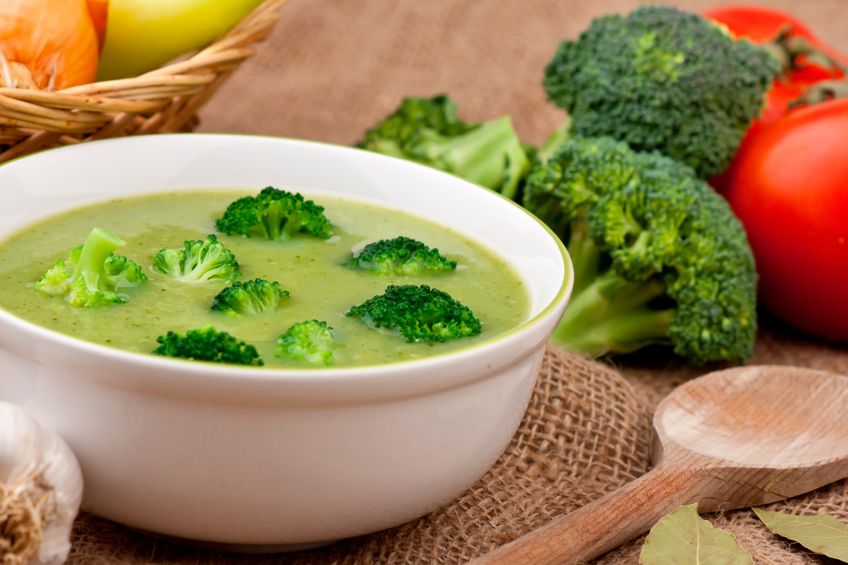
Phytonutrients — the compounds that give plants their colors — are not just “antioxidants” in a vague sense. Specific compounds have been shown in peer-reviewed research to inhibit tumor growth, induce cancer cell death (apoptosis), block angiogenesis (tumor blood supply), and reduce metastasis. Lycopene (tomatoes), sulforaphane (broccoli), EGCG (green tea), curcumin (turmeric), and resveratrol (red grapes) are among the most studied. Eat the rainbow — every meal, every day.

ImmunoPower Super Greens was developed with one group of people specifically in mind: those who need concentrated, clean, therapeutic nutrition and can’t afford to compromise.
The reality is sobering. According to a 2024 Lancet Global Health study, billions of people are deficient in essential micronutrients. For cancer patients, that deficiency gap is even wider — treatment depletes nutrients, appetite is suppressed, and absorption is impaired. Getting 5–9 daily servings of fruits and vegetables is hard enough for healthy people; for someone in treatment, it can feel impossible.
One scoop of ImmunoPower Super Greens delivers 36 superfoods — chlorella, spirulina, wheat grass, barley grass, kale, acai, goji, turmeric, echinacea, astragalus, green tea extract, milk thistle, and more — plus probiotics and digestive enzymes, all in a single daily serving. No fillers, no artificial sweeteners, no synthetic additives. Non-GMO, gluten-free, and vegan-friendly.
Patients tell me it has helped them maintain energy between treatments, improve digestion, and feel that they are doing something active every single day for their health. That sense of agency matters.
At just $1.57 per day, it’s one of the most cost-effective investments a cancer patient can make in their nutritional foundation.
👉 Try ImmunoPower Super Greens →
https://www.nih.gov/news-events/nih-research-matters/healthy-habits-can-lengthen-life


